

Specialist Website Design for Endocrinologist Practices That Converts Diabetes, Thyroid, and PCOS Patients Into OPD Bookings
47% of patients judge a doctor’s credibility from their website alone — before reading a single word about their qualifications. Generic medical templates built for GPs and dentists cannot serve the structural complexity of an endocrinologist’s practice. iDigital Doctor delivers specialist website design for endocrinologist practices — condition-specific pages for diabetes, thyroid, PCOS and hormonal disorders, YMYL E-E-A-T compliance, OPD booking flows, and mobile-first architecture that ranks from day one of launch.



Get a Free Endocrinologist SEO Audit
Trusted by healthcare professionals, clinics, and wellness brands for measurable digital growth success.






What Real Website Design for Endocrinologist Practices Does — vs. What Generic Medical Templates Deliver
Most web design agencies build a medical website that looks clinical and call it done. A specialist approach to endocrinologist website design builds a digital asset that ranks for condition-specific keywords, converts chronic disease patients, and complies with every MCI advertising guideline — all simultaneously.
Why Endocrinologist Websites Have Structural Requirements No Generic Template Can Meet
A website needs one homepage and a list of treatments. An endocrinologist’s website needs to solve three separate problems simultaneously — and a generic template solves none of them.
Your patients don’t search “endocrinologist.” They search “diabetologist near me,” “thyroid specialist [city]” and “PCOS doctor near me.” Each is a different keyword cluster requiring a dedicated page with its own content, schema markup, and OPD booking path. One generic “conditions we treat” page cannot rank for all three — or any of them.
Every page on your website is classified by Google as YMYL (Your Money, Your Life) — its strictest content category. A website built without Physician schema, clinical references, and verified credential signals will be actively suppressed in rankings from launch day. This is not a design choice — it is a technical architecture requirement.
A thyroid patient comes back four times a year. A diabetes patient six times. Your website must be built for re-engagement — quick OPD rescheduling, WhatsApp follow-up access, HbA1c and TSH reminder prompts — not just first-visit conversion. Generic medical templates are designed entirely for single-visit specialties.
90+
Every endocrinologist website we launch achieves 90+ PageSpeed on mobile and desktop. This is not an optimisation target — it is a launch requirement, because Google penalises slow YMYL medical websites.
78%
of Endocrinology Searches Are Mobile Every page designed for mobile first. WhatsApp CTA and OPD booking button above the fold on every condition page. Sub-2-second load time on 4G — the standard for how most Indian patients access your website.
The 6 Core Elements of Endocrinologist Website Design That iDigital Doctor Builds in Every Project
A high-performing endocrinologist’s website needs six elements working together — each one specific to endocrinology’s structural requirements. Remove any one and the website underperforms against a competitor who has all six.

Condition Landing Pages — One Per Disorder, Not One for All
Separate, keyword-optimised landing pages for Diabetes Management, Thyroid Disorders, PCOS & Hormonal Disorders, Obesity & Metabolic Syndrome — and Paediatric Endocrinology where applicable. Each page targets its own keyword cluster, has its own clinical content, and its own OPD booking conversion path. The single highest-impact element of any endocrinologist website.
Mobile-First Design With Sub-2-Second Load Times
78% of endocrinology patient searches happen on mobile. A desktop-first website built from a generic template loses the majority of your patients before they read your name. Every endocrinologist website we build is designed on mobile first — with WhatsApp CTA and OPD booking visible above the fold — then adapted to desktop, not the reverse.
YMYL Schema Markup — Physician, MedicalClinic, MedicalCondition
Every endocrinology page is YMYL-classified under Google’s strictest evaluation. Physician schema on doctor profile pages, MedicalClinic schema on homepage and contact pages, MedicalCondition schema on every condition page, and FAQPage schema on FAQ content. This structured data tells Google your website is built by a verified medical authority — not a generic clinic.
OPD Booking, WhatsApp API & Chronic Patient Re-Engagement
Diabetes and thyroid patients return 4–12 times per year. Your website must support the full chronic patient relationship — not just the first appointment. WhatsApp Business API integration, online OPD slot booking, appointment confirmation flows, and HbA1c/TSH reminder touchpoints built into the patient journey from the website outward.
MCI Advertising Compliance — Every Page, Every Word
Every piece of content on an endocrinologist website — page copy, FAQ answers, meta descriptions, WhatsApp button text — must comply with MCI advertising guidelines. iDigital Doctor applies a dedicated MCI compliance review to every page before launch. Zero violations means your medical licence is protected throughout the website and beyond.
SEO-Ready Architecture — Ranking From Launch Day
Every endocrinologist website we build is SEO-ready at launch — keyword-optimised page titles, H1s, meta descriptions, XML sitemap, and Google Search Console setup. Condition pages are pre-structured for “diabetologist near me,” “thyroid specialist [city]” and “PCOS doctor near me” searches. Internal linking connects condition pages to OPD booking paths.Not Sure Which of These 6 Elements Your Current Website Is Missing?
Our free website audit checks every element of your current endocrinologist website design — and shows exactly which gaps are costing you patient bookings every week.

Our Case Studies
See our verified success stories: proven digital strategies driving real patient growth for healthcare practices.
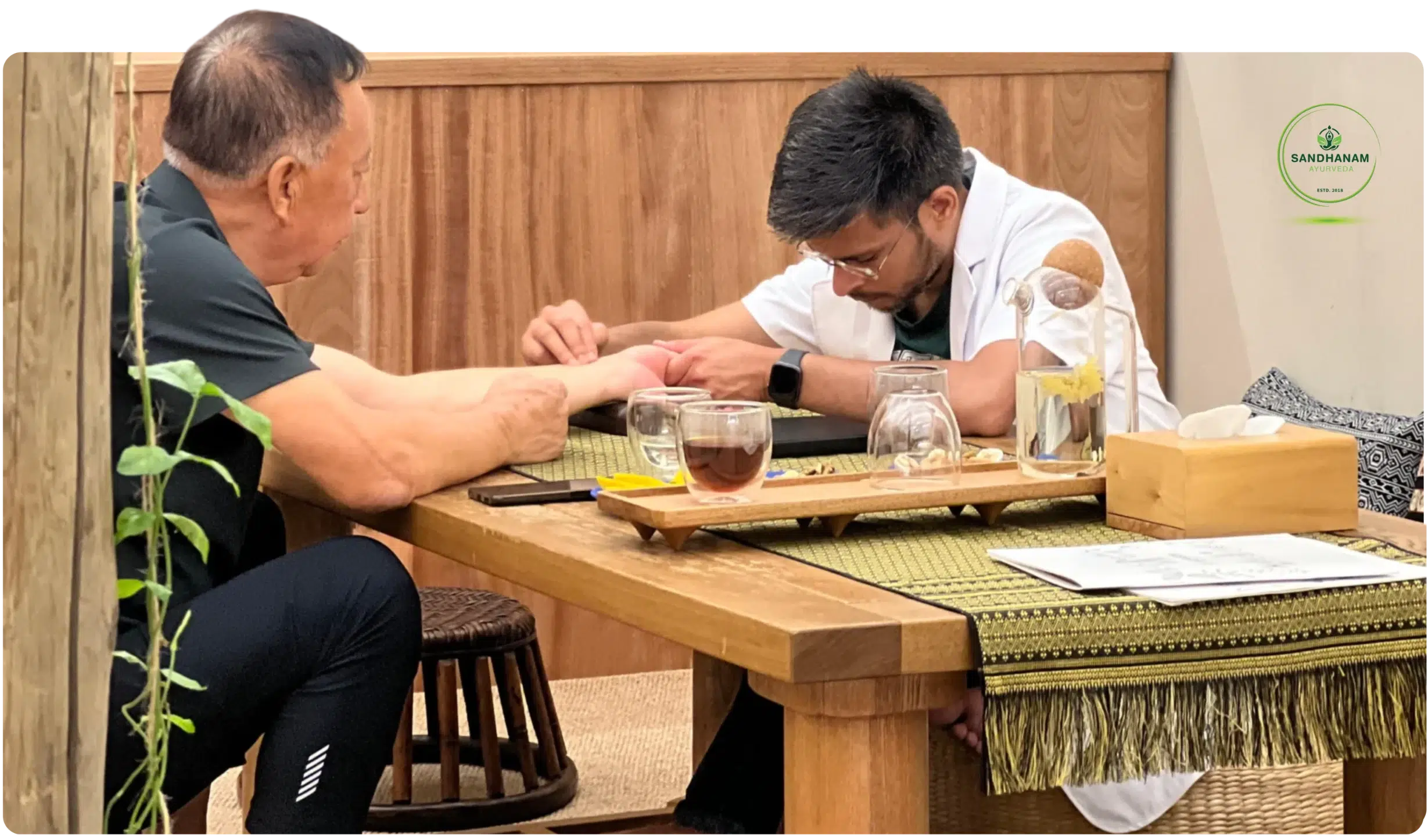
Ayurvedic Clinic Achieves Professional Digital Credibility with Content and Brand Strategy
55%
40%
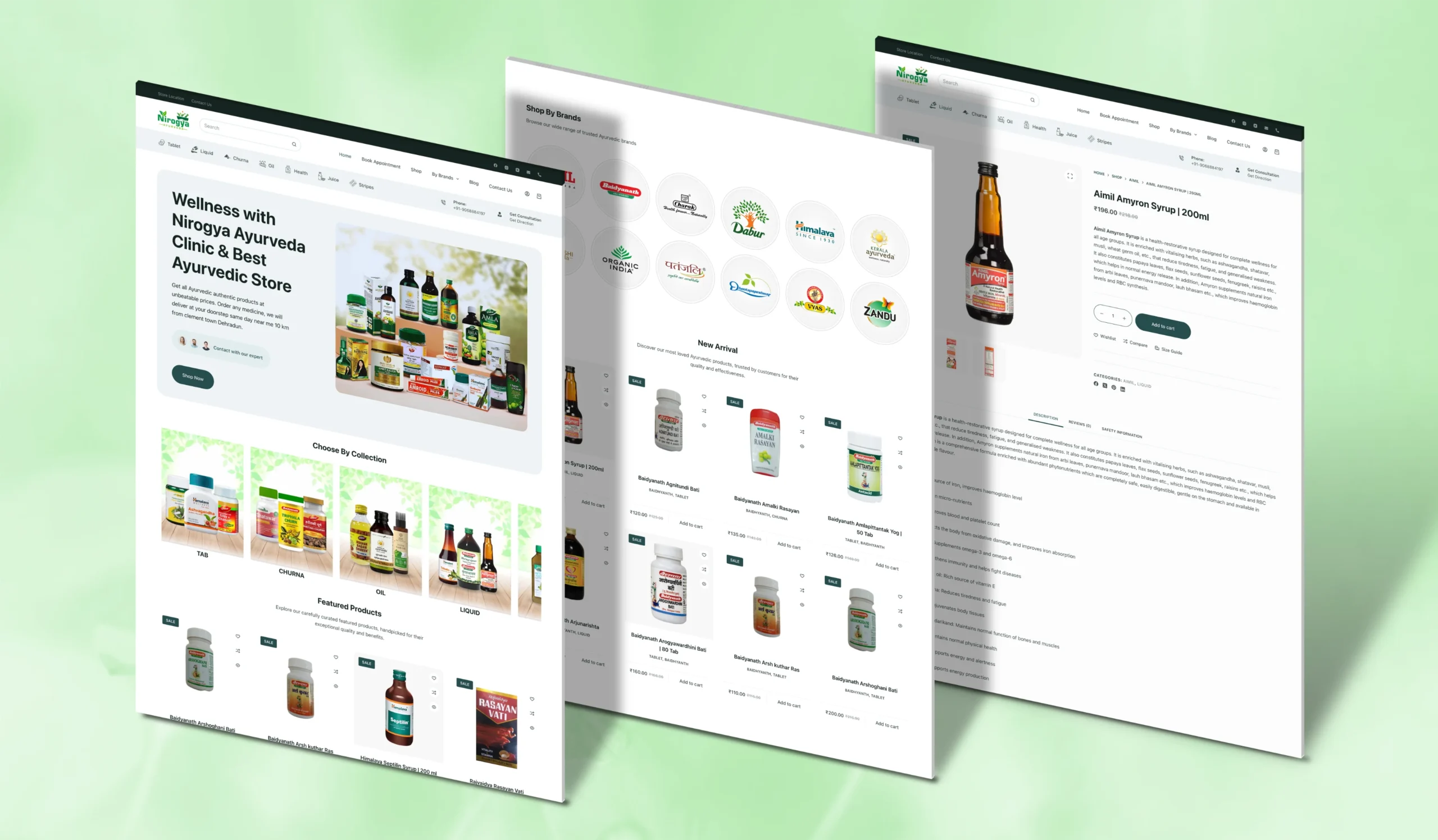
Building a Dual-Market Ayurveda Store for Traffic and Sales
75%
3X
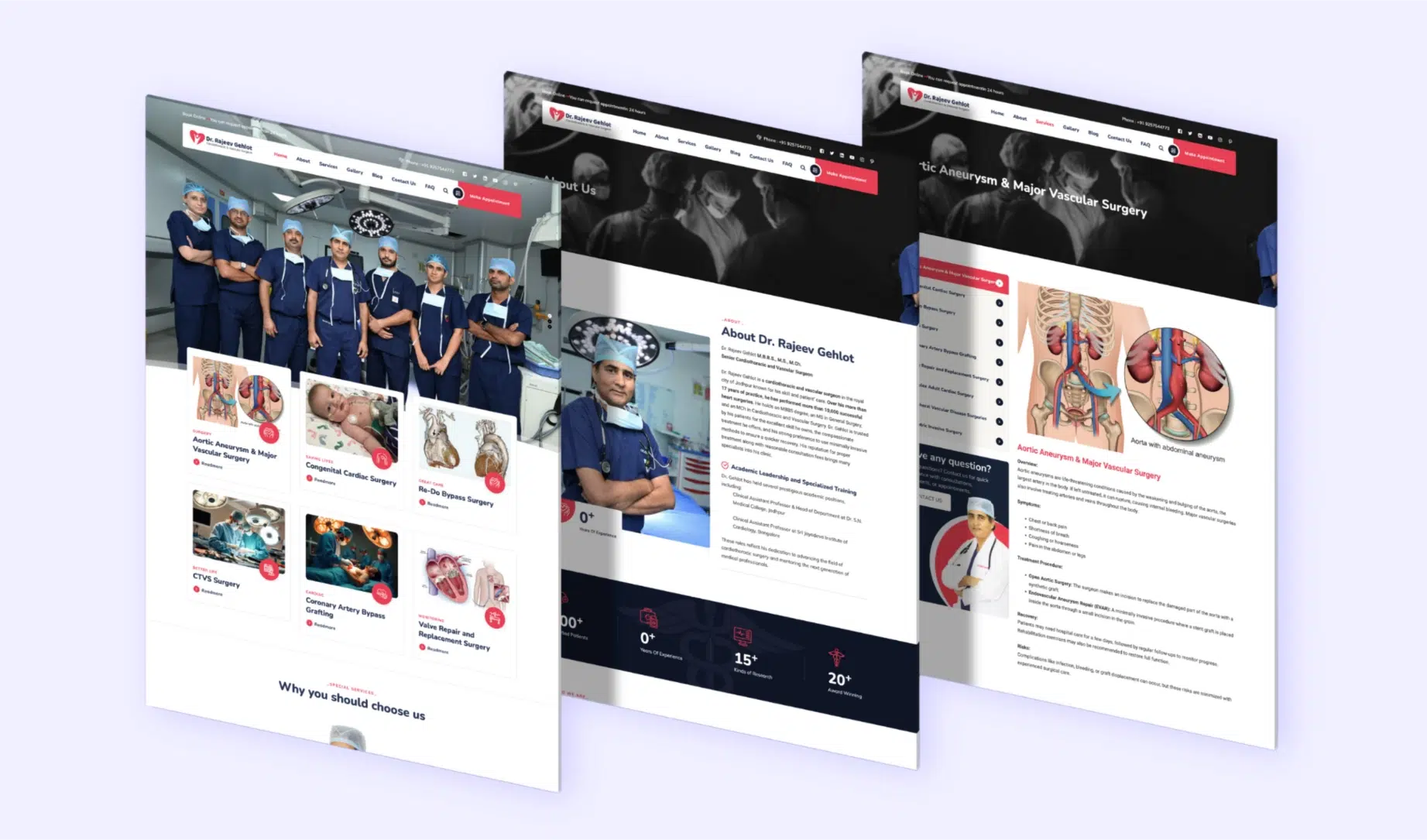
3-Step Digital Authority Launch for a Leading Cardiology Specialist.
3X
15+
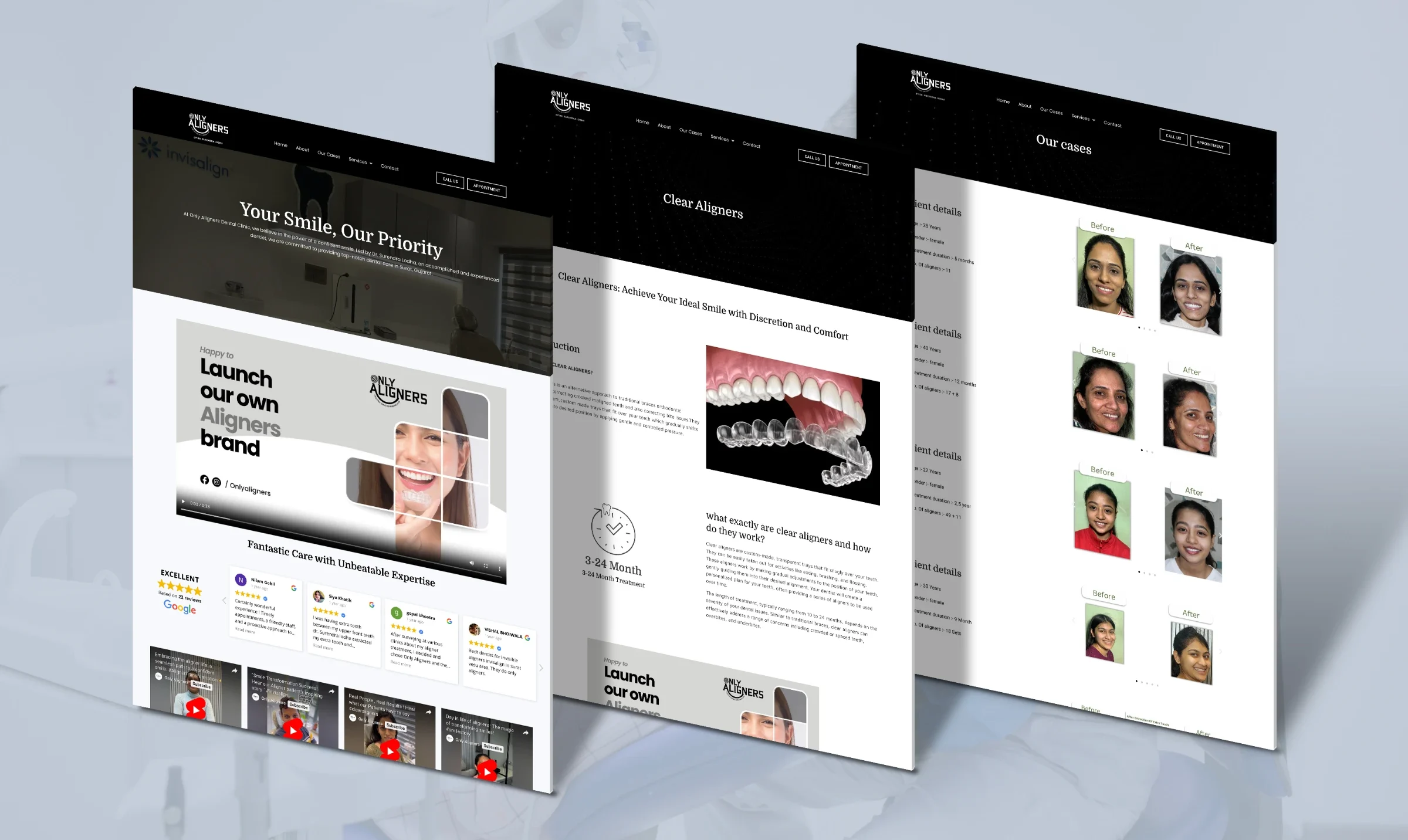
Orthodontic Provider Increases Leads by 26% Through Digital Foundation
26%
300%
What iDigital Doctor Delivers in Every Website Design Services for Endocrinologist Engagement
Every component below is included as standard — not sold as an add-on. A high-performing endocrinologist website requires all six service components working together from day one.
Strategy, Wireframe & Condition Page Architecture
Discovery session, competitor website analysis, condition keyword mapping, and page architecture planning before a single line of design or code is written. We map every condition page — diabetes, thyroid, PCOS, obesity — with its own keyword target, content brief, and conversion path.Custom Endocrinology Design — Not a Medical Template
Custom visual design built for the trust signals endocrinology patients look for: clinical authority, credential prominence, and condition-specific imagery. Endocrinology website development requires a different design language than a GP or dental website — warmer, more educational, chronic care-oriented.Condition Landing Pages — All Disorders You Treat
Dedicated condition pages for every endocrine disorder you treat — each with E-E-A-T-compliant clinical content, condition-specific schema markup, MCI-reviewed copy, and a direct OPD booking call-to-action.Development — Schema, Performance & YMYL Technical Build
Full website development with Physician, MedicalClinic, and MedicalCondition schema in the code, Core Web Vitals optimised to 90+ PageSpeed at launch, HTTPS, mobile-first build, internal linking structure, and Search Console configuration.OPD Booking, WhatsApp API & Patient Integration
Official WhatsApp Business API integration, online OPD slot booking system, Practo integration where applicable, and chronic patient follow-up flows — built into the website so every patient interaction has a digital pathway from first visit to repeat appointment.MCI Review, Launch & 30-Day Post-Launch Support
Full MCI advertising compliance review of every page before launch. Core Web Vitals verification, mobile device testing across 5 screen sizes, Google Search Console configuration, and XML sitemap submission. 30-day post-launch support period included as standard.Our process
Warning Signs6 Red Flags That Tell You a Web Agency Doesn’t Understand Endocrinologist Website Design
These are the six most common signs that a web design agency — however credible their portfolio appears — fundamentally lacks the endocrinology-specific knowledge to build a website that performs for your practice.
1
They show you a generic medical template with a logo swap
If an agency’s endocrinologist website proposal starts with a medical template they also use for dentists, GPs and physiotherapists — they are not building a website for endocrinology. They are building a website that looks medical and happens to say “endocrinologist” on it.
2
They propose one “conditions” page covering diabetes, thyroid and PCOS together
A thyroid clinic website needs a dedicated thyroid page. A PCOS clinic website needs a dedicated PCOS page. These are different keyword clusters, different patient psychologies and different OPD booking journeys. Combining them on one page means ranking for none of them — and converting none of those patients.
3
Their sample copy says “cure your thyroid” or “reverse your diabetes”
These are MCI advertising violations — and the liability falls on your medical licence. An agency that writes outcome-guarantee language in sample content has never reviewed an MCI guideline. Every page they produce for your website is a potential regulatory exposure — and they will not be the ones facing it.
4
They have never heard of Physician or MedicalCondition schema markup
YMYL endocrinology websites require Physician, MedicalClinic and MedicalCondition structured data to rank on Google. A web agency that cannot name these schema types — let alone implement them correctly — will deliver a website that Google treats as a low-authority generic health blog, regardless of how clinically accurate the content is.
5
They cannot tell you the PageSpeed score their websites achieve at launch
A website that loads in 5 seconds on mobile loses over 50% of endocrinology visitors before they see a single page. If an agency cannot provide a guaranteed PageSpeed score at launch — or shows you websites with scores below 75 — performance is not part of their build process. It is an afterthought for a fee.
6
They build a website with no OPD booking, no WhatsApp integration and no chronic patient UX
An endocrinologist website that sends patients to a generic contact form — with no OPD slot booking, no WhatsApp direct connect, no chronic patient re-engagement path — is a brochure. Diabetes and thyroid patients return 4–12 times per year. A website with no repeat-visit UX leaves the vast majority of its lifetime patient revenue uncaptured.
How iDigital Doctor Delivers Website Design for Endocrinologist Practices — Week by Week
A structured 4–6 week delivery process — with MCI compliance review, YMYL schema implementation and Core Web Vitals verification built into every stage, not left to a post-launch checklist.
Get a Free ConsultationOur process
Why iDigital DoctoriDigital Doctor vs. Generic Healthcare Agency — Why a Specialist Digital Marketing Agency for Endocrinologist Practices Outperforms
Endocrinology requires a completely different digital marketing strategy for endocrinologists from any other specialty — symptom-first content architecture, condition-specific campaign isolation, chronic patient lifecycle thinking, and multi-disciplinary referral network building. Generic healthcare agencies apply the same strategy to every specialty. iDigital Doctor doesn’t.
Generic Digital Marketing Agency
Multi-industry — healthcare is just another vertical
iDigital Doctor: Healthcare Marketing Agency
Focus: Get your first content assets live and social media operational
Questions About Website Design for Endocrinologist Practices — Answered Honestly
The questions endocrinologists, diabetologists, and thyroid specialists ask most before commissioning a website — answered with real information, not sales assurances.
What makes website design for endocrinologist practices structurally different from a general medical website?
An endocrinologist website faces three structural challenges no general medical website shares. First, the condition page problem: patients search by condition — “diabetologist near me,” “thyroid specialist [city],” “PCOS doctor near me” — not by specialty. A single general “endocrinologist” homepage cannot rank for all three keyword clusters. Each disorder needs its own dedicated landing page. Second, YMYL classification: every page on an endocrinologist website is YMYL-classified under Google’s strictest E-E-A-T evaluation — requiring Physician schema, clinical credentials and medical references built into the code to rank. Third, chronic patient UX: diabetes and thyroid patients return 4–12 times per year. The website must support re-engagement — repeat OPD booking, WhatsApp follow-up, appointment reminders — not just first-visit conversion. A generic medical website template is designed for none of these three requirements.
How long does it take to build an endocrinologist’s website — and what does the process look like?
iDigital Doctor delivers endocrinologist websites in 3–5 weeks. Week 1–2: discovery, competitor analysis, condition keyword mapping, and wireframe. Week 2–3: custom design approval and clinical content written by healthcare specialists — MCI compliance reviewed at draft stage. Week 3–5: full development including schema markup, WhatsApp API and OPD booking integration. Week 5–6: final MCI compliance review of every page, Core Web Vitals verification to 90+ PageSpeed, mobile testing, and launch. A 30-day post-launch support period is included in every project. Urgent delivery for practice-critical situations can be accommodated within 3 weeks.
Will the endocrinologist’s website rank on Google after launch — or do I need separate SEO?
Every endocrinologist website design project iDigital Doctor delivers is SEO-ready at launch — keyword-optimised page titles, H1s, and meta descriptions for condition searches, full schema markup suite, XML sitemap, Search Console configuration, and internal linking connecting condition pages to OPD booking paths. This means the website begins accumulating SEO authority from launch day. For competitive city keywords — “diabetologist [city],” “thyroid specialist [city]” — building to page 1 rankings typically takes 3–6 months of ongoing SEO work on top of a solid technical website foundation. iDigital Doctor offers endocrinologist SEO as a separate service, we recommend launching simultaneously with the website, so organic rankings begin building from the same day the website goes live.
How is advertising compliance handled in the website content?
Advertising compliance is built into the content production process — not checked at the end. Every clinical content brief produced for an endocrinologist condition page explicitly prohibits guaranteed cure language (“reverse your diabetes,” “cure hypothyroidism permanently”), comparative claims against other doctors, and patient testimonials without full documented written consent. All content is written by healthcare content specialists with knowledge of guidelines, reviewed by our compliance team before it reaches development, and given a final MCI check before launch. Zero MCI violations or regulatory complaints across all endocrinologist websites we have built in 4+ years. The medical licence liability falls on your registration — not the web agency — which is why we treat MCI compliance as non-negotiable, not optional.
Can you build a cardiology department website within a multi-specialty hospital?
Yes — and this is one of our most common engagements. iDigital Doctor builds dedicated endocrinology department microsites and section pages within multi-specialty hospital websites — with separate condition landing pages for the diabetes clinic, thyroid clinic, PCOS clinic and metabolic disorders department, each with independent ranking potential. This does not disrupt the hospital’s existing website, domain authority or other department pages. The endocrinology department gets a fully independent digital presence within the hospital’s broader website structure — so the diabetes unit can rank for “diabetologist [city]” without depending on the hospital’s main website to do it for them.

