
The SEO Agency for Neurologist Practices That Turns Patient Searches Into Filled Consultation Slots
68% of patients begin their search for a neurologist online. Of those who search locally, 76% visit or contact the practice within 24 hours. iDigital Doctor is a dedicated SEO agency for neurologist practices — delivering condition-specific keyword strategies, Google Local Pack domination, E-E-A-T content authority, and full-spectrum SEO built for the long, trust-intensive research journey of neurology patients.



Trusted by healthcare professionals, clinics, and wellness brands for measurable digital growth success.






68% of Your Prospective Patients Start on Google — And Most Neurologists Are Invisible There
Neurology patients are among the most diligent online researchers in healthcare. They search for their symptoms first, then compare specialists, then read reviews — all before making a single phone call. If your practice is not visible across every stage of that journey, you are losing patients before they ever know you exist.
Without a dedicated SEO agency for neurologist practices building your local search presence, your practice does not appear when patients search the highest-intent query in your specialty. The top 3 results capture 54.4% of all clicks — practices below position 3 are functionally invisible to more than half of actively searching patients.
Practices in Google’s 3-Pack receive 126% more traffic and 93% more patient actions — calls and website visits — compared to listings ranked 4–10. If your Google Business Profile is incomplete, inconsistent, or unoptimised, you are excluded from the highest-visibility real estate in local healthcare search.
Neurology patients do not search “neurologist near me” first. They search their symptoms — “what causes chronic migraines,” “epilepsy specialist for adults,” “is tingling in hands serious.” Without condition-specific content mapped to these searches, your practice misses the patients at the very beginning of their decision journey.
80% of patients require at least a 4-star rating before considering a neurologist. Practices with over 50 reviews rank 70% higher than those with fewer. And 72% of patients read reviews before scheduling a neurology appointment. Thin review profiles do not just reduce trust — they actively harm your local SEO rankings.
75% of patients use their phones to research neurologists before booking. 62% of healthcare searches happen on mobile. Yet 60% of healthcare websites lack mobile optimisation — causing poor search rankings, high bounce rates, and lost patients at the moment they are closest to booking a consultation.
92%
of all Google search traffic goes to Page 1 results — practices on Page 2 or beyond receive less than 1% of clicks
40%
average website traffic increase that neurology practices experience after a comprehensive SEO audit and implementation
Our process
What We DoWhy a Neurologist Needs a Specialist SEO Agency for Neurologist Practices — Not a General Healthcare Agency
Neurology patients have a unique digital behaviour pattern that generic healthcare SEO strategies completely miss. The extended research cycle, the symptom-first search journey, the chronic condition dynamics — each demands a different approach to keyword architecture, content strategy, and local SEO than most healthcare agencies know how to execute.
1
Weeks-Long Research Before First Contact
Neurology patients spend days or weeks researching online before they consider booking an appointment. Unlike acute care searches, they read condition articles, compare doctor credentials, watch videos, and check reviews across multiple sessions before calling. Your SEO must be present at every stage of this multi-touch journey — not just at the booking moment.
2
Patients Search Symptoms First, Specialists Second
42% of healthcare queries are in question format. Neurology patients search “what causes tingling in hands,” “why do I keep getting migraines,” or “is shaking a sign of Parkinson’s” long before they search “neurologist near me.” Capturing patients at the symptom-search stage — and guiding them toward a consultation — requires a content architecture that generic agencies never build.
3
Long-Term Patient Relationships Amplify SEO ROI
Unlike single-episode medical specialties, neurology treats chronic conditions — epilepsy, MS, Parkinson’s, migraines — where patients require ongoing care for years. A patient acquired through SEO who is diagnosed with a chronic condition represents a lifetime value exponentially higher than a general practice visit. SEO ROI for neurologists compounds in a way that most agencies never measure or communicate.
4
Google’s Strictest Content Standards Apply to Neurology
Neurology falls within Google’s YMYL (Your Money, Your Life) category — where content is evaluated against the most rigorous E-E-A-T standards. Generic AI-generated content, unverified medical claims, or thin service pages actively suppress neurology website rankings. Every page must demonstrate genuine clinical expertise with verifiable credentials and cited sources.
5
Each Condition Is a Separate Keyword Universe
Epilepsy, migraine, Parkinson’s, MS, neuropathy, dementia, stroke, sleep disorders — each has its own patient vocabulary, search behaviour, and conversion funnel. Targeting “neurologist” generically captures a fraction of available search volume. Building condition-specific pages for each subspecialty multiplies your organic footprint by an order of magnitude.
6
Most Neurologists Have Weak Local SEO — Your Opportunity
Research consistently shows that the majority of healthcare websites — including neurology practices — lack adequate mobile optimisation, have incomplete Google Business Profiles, and have no structured local citation strategy. This means the barrier to Local Pack domination in most Indian cities is lower than in other specialties — if the right strategy is executed with consistency.
What iDigital Doctor Delivers as Your SEO Agency for Neurologist Practices — Every Pillar, Every Month
Neurology SEO is not a single tactic — it is an integrated system operating across technical infrastructure, local visibility, condition-specific content, and authority building simultaneously. We manage every layer, every month, so your rankings compound over time.
The Foundation Google Crawls and Ranks
Core Web Vitals optimisation — LCP under 2.5s, INP under 200ms, CLS under 0.1. Mobile-first responsiveness audit and implementation. HTTPS security verification. Schema markup — Physician, MedicalOrganization, FAQPage, and LocalBusiness structured data. Internal linking architecture. Search Console configuration and error resolution.Condition-Specific Keyword Architecture
We build a three-tier keyword map: local intent (“neurologist in [city]”), condition-specific (“migraine specialist near me,” “epilepsy doctor for adults”), and symptom-based (“what causes hand tremors,” “when to see a neurologist for headaches”). Each tier targets a different patient intent stage — awareness, consideration, and decision — creating a full-funnel SEO strategy.Every Page Engineered to Rank and Convert
Keyword-optimised title tags, meta descriptions, and URL structures. Proper H1/H2/H3 hierarchy with strategic keyword placement. Image alt text optimisation. FAQPage schema for voice search capture — 42% of healthcare queries are question-format. Internal linking connecting condition pages to service pages to booking CTAs. Prominent contact information placement — shown to improve conversion by 32%.Medical Authority Backlinks That Compound Domain Power
Strategic link acquisition from medical directories, health publications, hospital association pages, and regional wellness portals. Guest content on authoritative healthcare platforms. Internal authority transfer between high-ranking condition pages and new pages. Every link vetted for DA relevance and healthcare context — no generic link farms or low-quality directories.Mobile-First for the 75% Searching on Smartphones
Mobile-responsive design audit and implementation recommendations. Page speed optimisation for mobile networks — 90% of patients expect healthcare sites to load in under 3 seconds. Tap-friendly navigation and contact buttons. Mobile appointment booking form optimisation — mobile-responsive forms see 67% more conversions. AMP implementation where applicable.Ranking Reports Tied to Appointment Bookings
Monthly GA4 dashboards connecting every SEO activity to patient consultation outcomes — organic traffic, appointment form submissions, click-to-calls, GBP direction requests, and keyword ranking movements. Full Search Console integration. No vanity metrics. Every KPI mapped to a real patient acquisition outcome your practice can act on.The Data That Defines What Expert Neurology SEO Delivers
Every benchmark below is sourced from published research, verified SEO data, and healthcare marketing studies — the standards every iDigital Doctor neurology SEO campaign is held accountable to.
70%
Higher local rankings for neurology practices with 50+ Google reviews vs. those with fewer review volume is a direct ranking signal
Google / SEO Sandwitch, 2025
35%
More appointment bookings for neurologists with dedicated appointment pages — structured conversion architecture delivers measurable results
Moz Healthcare Benchmark
40%
Average website traffic increase after a comprehensive SEO audit and implementation for healthcare practices — a verified starting benchmark
Ahrefs Healthcare SEO Data
126%
More traffic and 93% more patient actions received by practices in Google’s Local Pack vs. those ranked 4th–10th in local results
SeoProfy Local SEO Report, 2026
Generic SEO Agency
Healthcare SEO Agency
Real Result, Case Studies
See our verified success stories: proven digital strategies driving real patient growth for healthcare practices.

Ayurvedic Clinic Achieves Professional Digital Credibility with Content and Brand Strategy
55%
40%
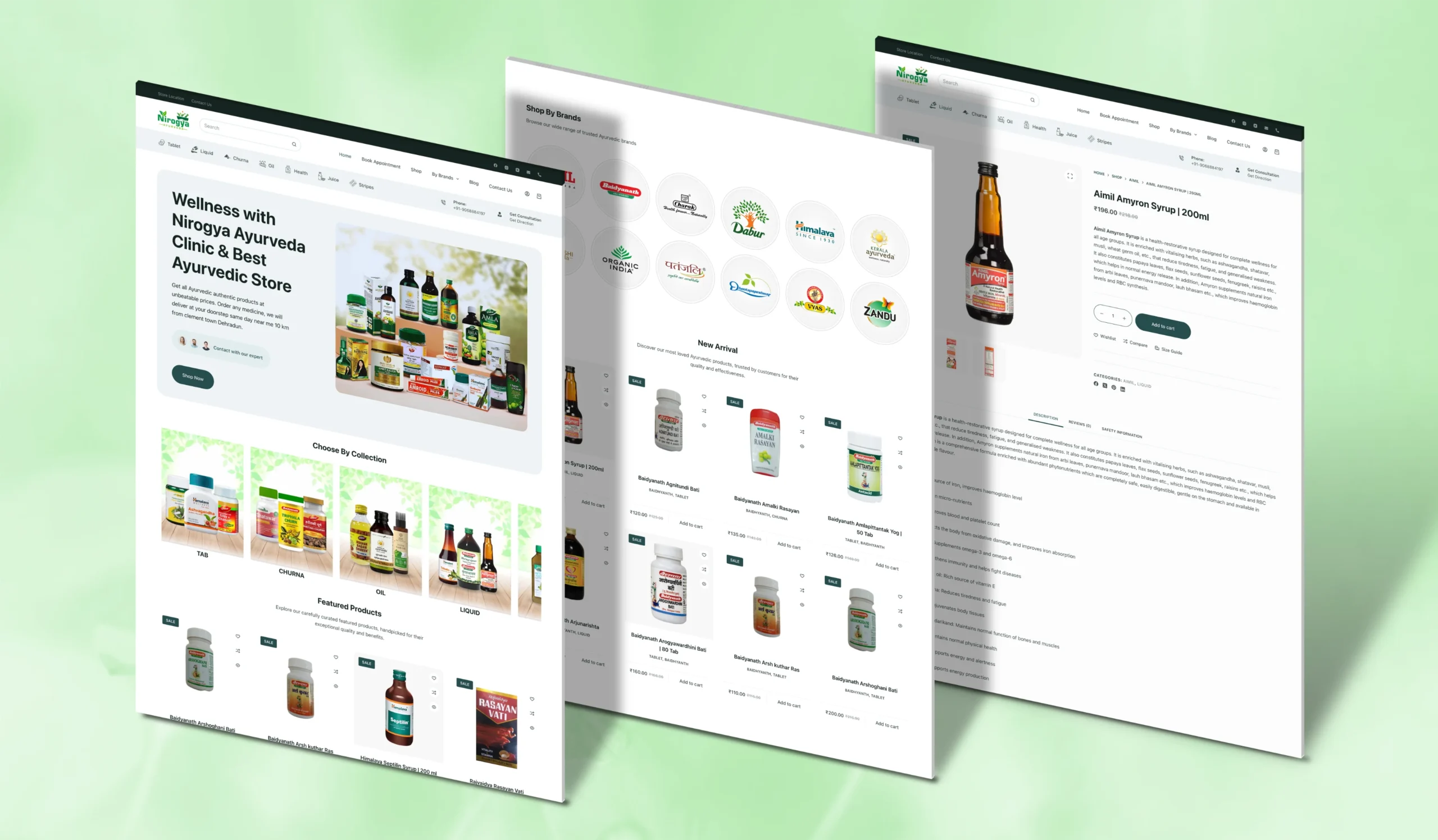
Building a Dual-Market Ayurveda Store for Traffic and Sales
75%
3X
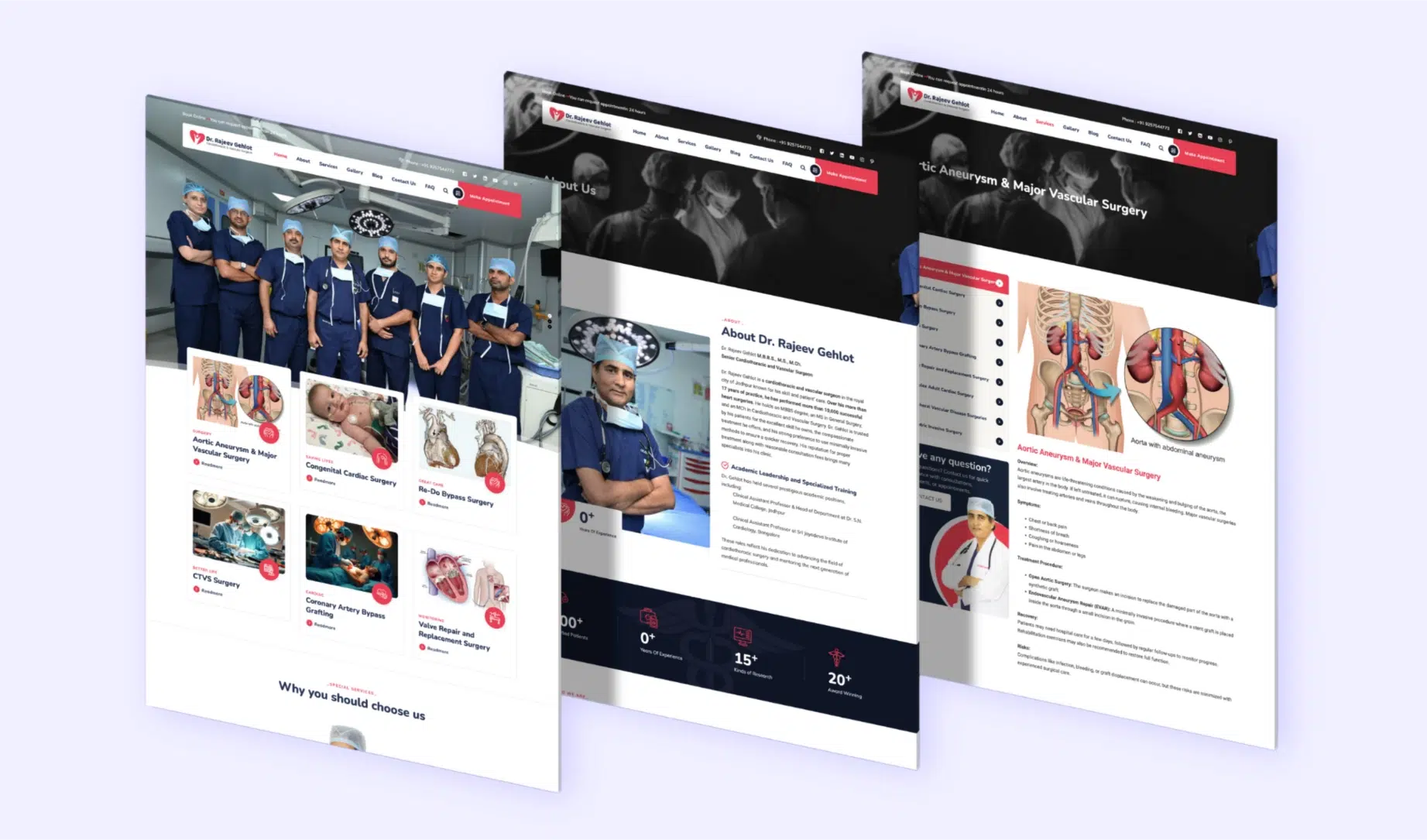
3-Step Digital Authority Launch for a Leading Cardiology Specialist.
3X
15+
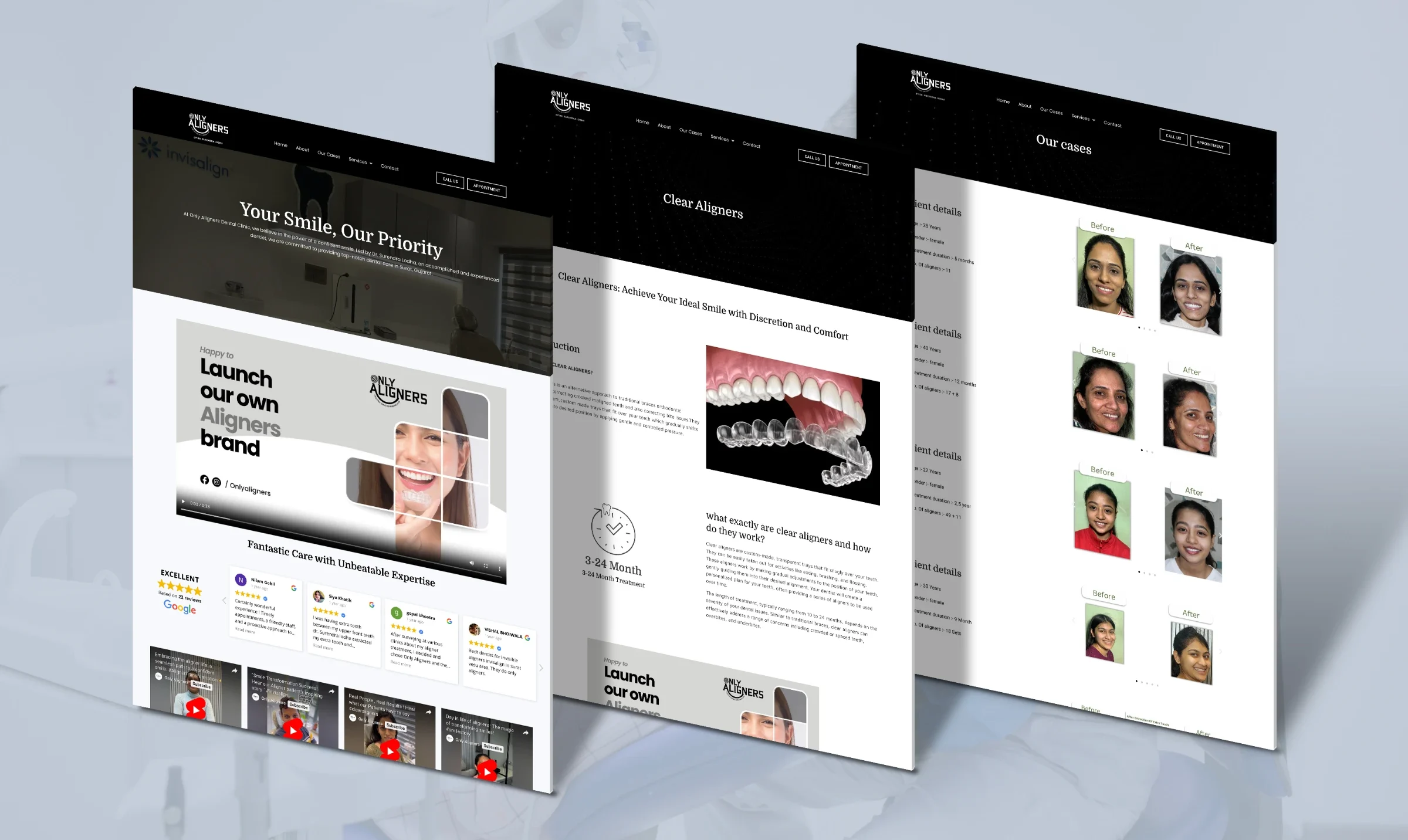
Orthodontic Provider Increases Leads by 26% Through Digital Foundation
26%
300%
How Our Neurologist SEO Agency Process Works — Month by Month
Every engagement follows a structured six-phase methodology built for the unique SEO complexity of neurology practices — from first forensic audit to long-term organic authority that compounds every month.
Get a Free SEO Audit-
-
-
Why Choose iDigital Doctor for Gynecology SEO
We don’t just rank websites — we help neurologist clinics get discovered, trusted, and chosen by the right patients.
-
Healthcare-Only SEO Expertise
We specialize in healthcare marketing — understanding patient behavior, privacy concerns, and medical compliance from day one.
-
Local SEO That Brings Real Enquiries
We target city + area keywords like to drive high-intent local patients, not random traffic.
-
Content That Educates & Converts
We create patient-focused content for building authority and trust.
-
Conversion-Focused SEO
We optimize your website structure and CTAs so visitors turn into calls, WhatsApp enquiries, and appointments.
-
-
FAQs – Frequently Asked Questions
How long does neurologist SEO take to show results?
Google Business Profile and local citation optimisation typically show measurable improvements within 30–60 days. Technical SEO corrections improve crawl efficiency immediately, though ranking benefits emerge over 4–8 weeks. Primary keyword ranking movement for competitive terms in metro cities takes 5–9 months. Long-tail condition-specific keywords often rank within 2–4 months in lower-competition markets. Most clients see measurable increases in organic consultation enquiries within 3–6 months of campaign launch. The compounding nature of SEO means results accelerate significantly after month 6 — which is why the practices that start earliest build the most durable competitive advantage.
Why does a neurologist need a specialist SEO agency rather than a general digital agency?
Three reasons. First, neurology patient behaviour is unique — they search symptoms first, not specialists. A general agency will target “neurologist [city]” while missing the 10x larger pool of patients searching condition-specific and symptom terms. Second, Google applies YMYL standards to neurology content — meaning medically inaccurate, unverified, or AI-generated content actively suppresses your rankings. General agencies typically cannot meet this standard. Third, the keyword architecture required for neurology — conditions, symptoms, procedures, local modifiers — is significantly more complex than most multi-specialty agencies build. We build this complexity as standard.
What is a condition-specific keyword strategy and why does it matter for neurologists?
Instead of targeting only “neurologist [city]” — a competitive term with limited long-tail coverage — we build separate keyword clusters for each condition you treat: migraine, epilepsy, Parkinson’s, MS, neuropathy, dementia, and more. Each condition has its own patient vocabulary, its own symptom-search terms, and its own conversion funnel. A patient searching “early signs of Parkinson’s” is at the beginning of a long research journey — content that educates them and introduces your practice at that stage captures them as a prospective patient long before they search “neurologist near me.” This strategy multiplies your organic footprint by an order of magnitude and generates a steady flow of patients at every stage of their decision journey.
How do you handle Google’s E-E-A-T and YMYL requirements for neurology content?
Every content piece we produce follows a four-stage process: keyword intent research, structural outline approval, drafting by a healthcare content specialist with clinical literacy in neurology, and clinical accuracy review before publication. All content is authored with named medical credentials, structured with Physician schema, and cites reputable medical sources. We never publish AI-generated content as the final medical output on your website — Google’s YMYL standards for neurological content make this a direct ranking liability. Our process is designed to satisfy Google’s E-E-A-T criteria at every level: the content demonstrates genuine experience, clinically verified expertise, authoritativeness through proper schema, and trustworthiness through transparent credentials and source citations.
What does your monthly reporting include, and how do you measure SEO ROI?
Monthly reports include: keyword rankings for all target terms in your specific city, organic traffic volume and trend (GA4), Google Business Profile insights (search impressions, direction requests, phone calls), conversion data (appointment form submissions, click-to-calls, WhatsApp enquiries from organic traffic), backlink growth, and content performance by page. We frame ROI in terms of consultation bookings generated — not traffic or impressions. You have 24/7 access to a live GA4 dashboard. Monthly strategy calls walk through what changed, why it changed, and what the next 30 days will deliver. No vanity metrics, no unexplained graphs — just clear attribution between SEO activity and patient acquisition outcomes.
How is your approach to neurology local SEO different from standard local SEO?
Standard local SEO addresses NAP consistency and GBP completeness. Our neurology-specific local SEO goes further in three ways. First, GBP category selection — we use the most specific neurology and subspecialty categories available, not generic healthcare categories. Second, review strategy — we build condition-specific review requests that generate reviews mentioning treatments like “migraine Botox,” “epilepsy EEG,” and “Parkinson’s consultation” — review keyword relevance contributes 11% to local ranking factors. Third, local citation building targets neurology-specific directories including Practo specialist listings, medical association directories, and hospital affiliation pages — not generic business directories that carry no medical authority signal.
What is your pricing model?
We offer monthly packages tiered by practice size, competitive market intensity, and the scope of services required. Every engagement begins with a free SEO audit, which gives us (and you) the data needed to scope an appropriate strategy. We will never recommend a package that is larger than what your competitive landscape requires. Pricing is transparent, scope is clearly defined, and there are no long-term lock-in contracts — our retention is earned by results. Book your free audit to receive a personalised proposal.

